
How to Get Your ULT Freezer Up and Running Faster
A new ULT freezer can take days to stabilize at -80°C. These steps shorten that runway and protect samples on day one.
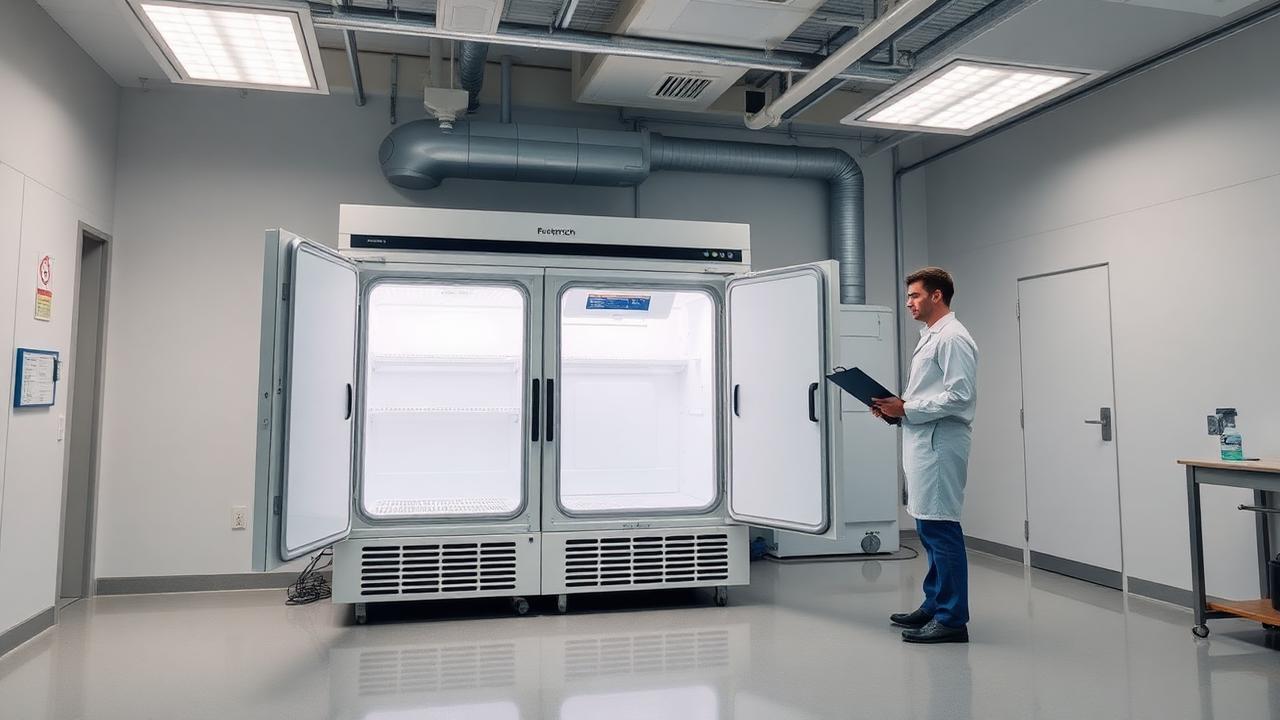
A new ULT freezer can take days to stabilize at -80°C. These steps shorten that runway and protect samples on day one.
Nearly every industry has felt the impact of the pandemic’s supply chain disruptions. While labor shortages and a lack of materials and key components have contributed to supply chain delays, the surge in demand for systems to support vaccine distribution have seen even greater strains.
Ultra-low temperature (ULT) freezers are a prime example. Considering that the Pfizer vaccine must be stored at a temperature of -70℃, medical facilities across the globe have invested in ULT freezers to preserve the efficacy of vaccines until they are administered. This increase in demand has led to longer wait times for ULT freezers to be delivered to customers — whether they are used to store vaccines or other valuable samples.
The longer facilities have to wait for ULT freezers to arrive, the more important it is to get the system up and running as fast as possible. Investing in a So-Low ULT freezer with a built-in CORIS monitoring system supports these efforts.
So-Low ULT Freezer + Built-In Monitoring = Faster Setup
Last November, So-Low Environmental Equipment Co. Inc. — a manufacturer of ULT freezers — spoke with CNBC about the surge in product demand they saw ahead of the COVID-19 vaccine distribution . In the article, So-Low discusses ramping up their inventory capacity and putting in extra man hours to support the vaccine rollout.
While these efforts have helped So-Low get their dependable, efficient freezers to customers faster, built-in integrations with CORIS support a more seamless setup process upon arrival.
When a healthcare or lab professional receives their new ULT freezer, CORIS’s 24/7 remote temperature and electric current monitoring are already enabled — with readings sent to the CORIS servers every two minutes and permanently stored. Customizable alerts are sent out instantly to notify personnel of temperature variation and/or the loss of power/communications, whether they are inside or outside of the facility.
Without any further installation or additional manual steps needed, facilities in need of ULT freezers will have the technology in place to safeguard vaccines, samples and other specimens. And with the ability to generate automated reports via the CORIS system, you’ll have an efficient way to ensure compliance needs are met for the future.
From an efficiency standpoint, another advantage you’ll experience with the CORIS system is its ease of use. While other systems require a multi-day training course for use, we expect staff to be up and running on our intuitive web-based system after just a 30-minute online training course.
Interested to learn more about the So-Low and CORIS integration? Download this one-page resource for more information, or contact us directly to get the conversation started.
Subscribe to the CORIS blog.
- Managing Risk in Construction Work: The Role of Temperature and Humidity Monitoring 3:19 pm | 0 Comments
- Understanding OSHA Temperature Standards: What You Need To Know About the Proposed National Heat Safety Rule 3:01 pm | 0 Comments
- Wireless Data-Logger Systems: A New Era of Job Site Safety and Temperature Monitoring in Construction 9:00 am | 0 Comments
See how CORIS can protect what matters to you.
Talk to our team about a deployment tailored to your environment.